
21 Apr Hospitality, Vulnerability, and the Road
Long-distance travel often appears as independence. A person leaves alone, carries what is necessary, follows a route, and arrives by personal effort. This image is attractive, but it is not completely true.
The road quickly teaches dependence.
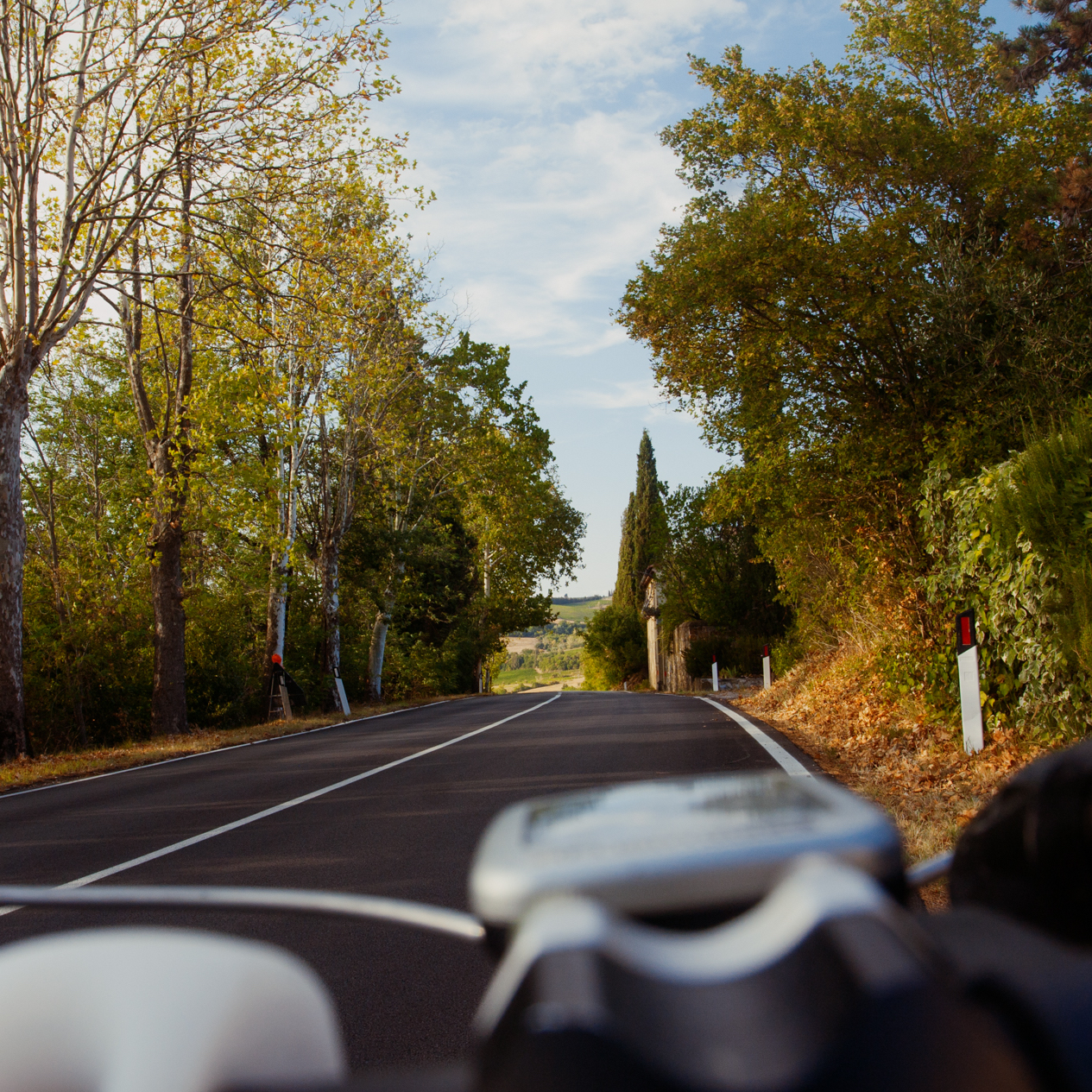
On the Via Francigena, I depended on many things that were not mine: roads built by others, signs placed by others, maps drawn by others, fountains maintained by others, food prepared by others, and rooms opened or closed by others. Even when I was alone on the bicycle, I was never fully independent.
This is one of the most important lessons of the journey.
Hospitality is not only a beautiful moral idea. On the road, it becomes very practical. It can mean a bed, a floor, a tent place, a meal, a safer route, a conversation, a phone call, or simply the willingness of a stranger to take one’s situation seriously. It can also be fragile. It may depend on language, trust, timing, documents, social appearance, and the mood of a particular person at a particular hour.
In 2017, I did not always understand this clearly. I often imagined the road as a test of endurance. If I could ride far enough, suffer enough, and continue long enough, then perhaps the journey would prove something about myself. But the road did not allow this heroic idea to remain pure.
Again and again, I needed others.
I needed advice about which road was safer. I needed places to sleep. I needed food when I was too tired to think clearly. I needed the patience of people who listened to my imperfect Italian. I needed strangers not to treat me only as a problem.
This dependence was sometimes beautiful, and sometimes humiliating.
There is a particular vulnerability in asking. Asking for help means exposing that one does not fully control the situation. Asking for shelter means admitting that the evening is stronger than one’s plan. Asking for directions means accepting that the GPS line is not enough. Asking in a foreign language means losing elegance and becoming simple again.
For someone trained to value self-sufficiency, this is difficult.
Yet this difficulty is close to the theological meaning of pilgrimage. Pilgrimage is not only movement toward a sacred place. It is also a transformation of the self through dependence, encounter, discomfort, and reception. The pilgrim is not powerful. The pilgrim is someone who must be received.
But modern pilgrimage complicates this older form. I was not a medieval pilgrim. I had a smartphone, a GPS track, a camera, digital maps, and sometimes access to booking platforms. I was also a foreign student in Europe, moving through places where the meaning of my presence was not always clear. Was I tourist, cyclist, pilgrim, researcher, student, stranger, or inconvenience?
The answer changed from place to place.
This uncertainty made hospitality more meaningful. When someone helped, the help did not only solve a practical problem. It temporarily gave me a place in the social world. It said, at least for that moment: you may remain here, you may eat here, you may sleep here, you may continue tomorrow.
In the archive, these moments are sometimes visible and sometimes hidden. A photograph of a road may not show the person who gave directions. A photograph of a bicycle near a building may not show the conversation that made the stop possible. A GPS point may mark a location, but not the feeling of relief when a room was finally found.
This is why narrative is necessary beside data.
The map can show where I moved, but it cannot by itself show how vulnerable that movement sometimes was. The photographs can show objects and places, but they cannot fully show the moral atmosphere of a day. The diary can remember emotions, but it needs the image and the coordinate to return the emotion to the world.
Kinesis & Praxis tries to hold these layers together.
Hospitality is therefore not an additional theme in the project. It is one of the structures that made the journey possible. Without roads, there is no route. Without the bicycle, there is no movement. But without hospitality, there is no continuation.
No Comments