
21 May The Bicycle as a Method of Attention
A bicycle is usually understood as a vehicle, but in this project it becomes something more precise: a method of attention.
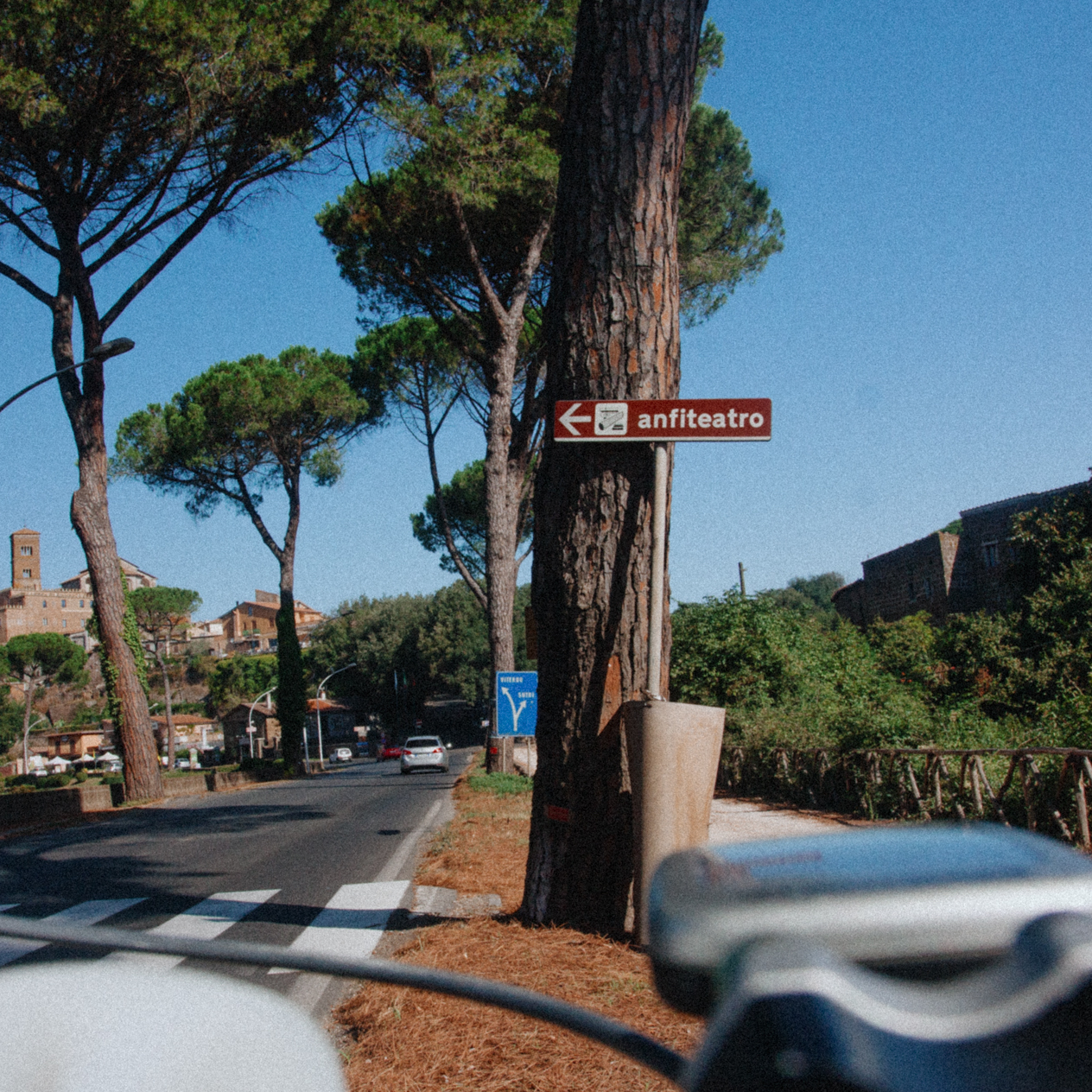
To travel by bicycle is to move at a speed between walking and driving. It is fast enough to cross regions, but slow enough to notice the texture of roads, the incline of hills, the smell of dry grass, the position of a fountain, the sound of traffic approaching from behind.
This middle speed changes perception.
In a car, the landscape often becomes scenery. On foot, the world may become too slow for a long route. On a bicycle, the body remains exposed, but the distance can still accumulate. The cyclist belongs both to the road and to the landscape around it.
The bicycle also makes the traveler vulnerable. There is no metal shell, no air conditioning, no guaranteed separation from weather or traffic. A small error in judgment can become dangerous. A wrong turn can cost time, water, and strength.
Because of this vulnerability, the cyclist learns to notice small things. Shade matters. Road surface matters. A shop sign matters. A person’s gesture matters. A dog, a truck, a water tap, a patch of gravel, or a line of trees can change the meaning of a day.
In the Via Francigena archive, the bicycle appears again and again in the photographs. It is leaned against walls, guardrails, signs, churches, fields, and village streets. It is both object and witness.
The bicycle records the journey before the camera does. Its bags show the weight of dependence. Its position shows where the traveler was allowed to stop. Its presence turns a landscape into a lived situation.
For this reason, the bicycle is not only transport in this project. It is a way of seeing.
No Comments